
The Essential Guide to Maintaining Refinished Bathtubs and Tile Surfaces
Many homeowners in the Atlanta area are discovering that they don't necessarily need a full, down-to-the-studs demolition to achieve the bathroom of their dreams. Whether you are preserving the classic architectural charm of an ITP Historic Bungalow or simply modernizing a standard suburban home, choosing tub & tile refinishing is an incredibly smart, cost-effective way to breathe new life into your space.
However, once the transformation is complete and your bathroom is looking brand new, a common question arises: how do you keep it that way? A refinished tub or reglazed tile surround has a brilliant, glossy finish that can last for years, provided it receives the right kind of care. Because the new surface is an applied coating rather than original porcelain or ceramic, it requires slightly different maintenance habits to prevent premature wear, scratching, or peeling.
In this guide, we will walk you through exactly what you need to know to protect your investment, from selecting the right products to developing a routine that keeps your bathroom looking flawless without consuming hours of your weekend.
Safe Cleaning Products for Refinished Bathtubs
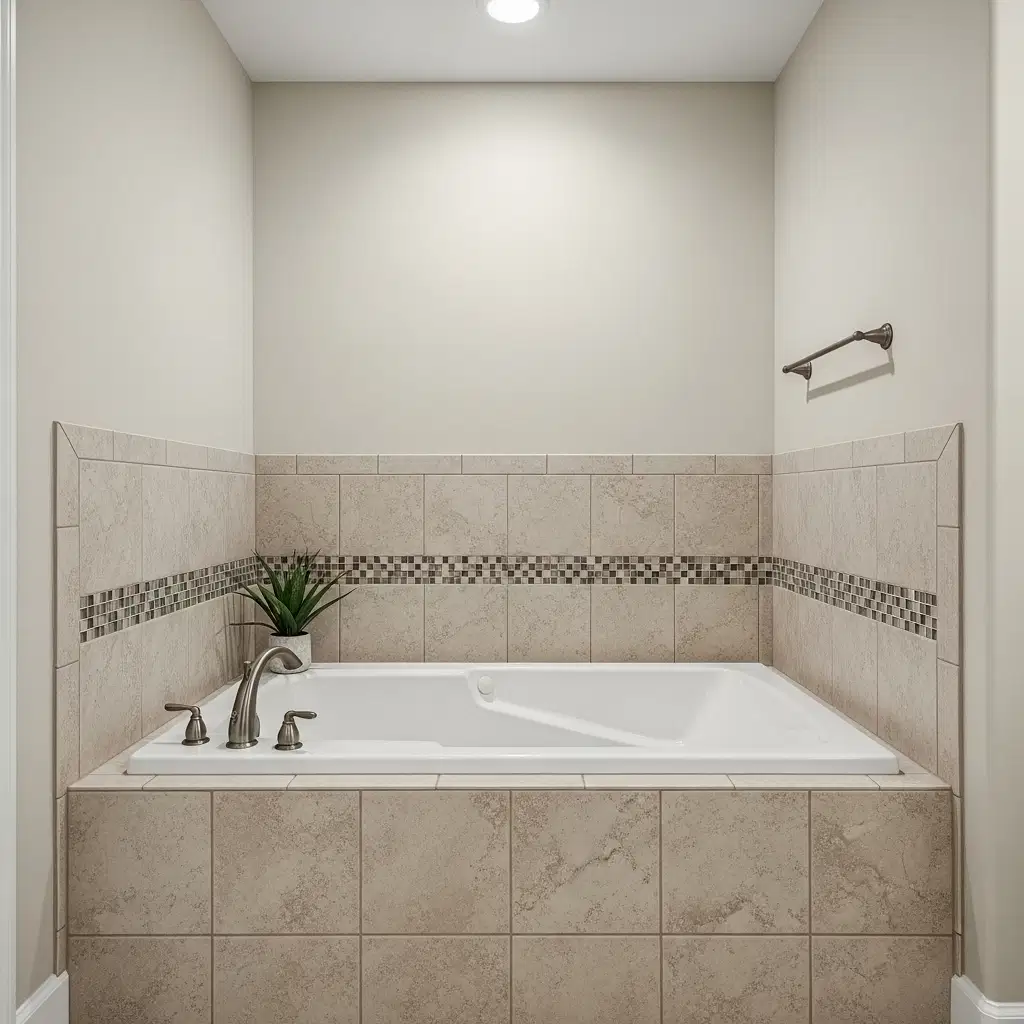
The most critical step in protecting your newly glazed surface is choosing the correct supplies. Using safe cleaning products for refinished bathtubs ensures the coating doesn't get scratched, dulled, or accidentally stripped away by harsh chemicals.
You should completely avoid abrasive powders, steel wool, hard-bristled brushes, and heavy-duty bleach-based solutions. Even some popular cream cleansers contain microscopic abrasives that will slowly wear down the glossy finish over time. Instead, stick to gentle, non-abrasive liquid cleaners. Mild dish soap mixed with warm water is highly effective for breaking down daily body oils and soap scum. If you prefer a commercial cleaner, look for eco-friendly, non-toxic bathroom sprays that specifically state they are safe for acrylic or refinished surfaces.
It is also essential to avoid leaving any chemicals sitting on the surface for extended periods. Always thoroughly rinse away any cleaning product with clean water immediately after washing.
How to Clean Refinished Bathtubs Properly
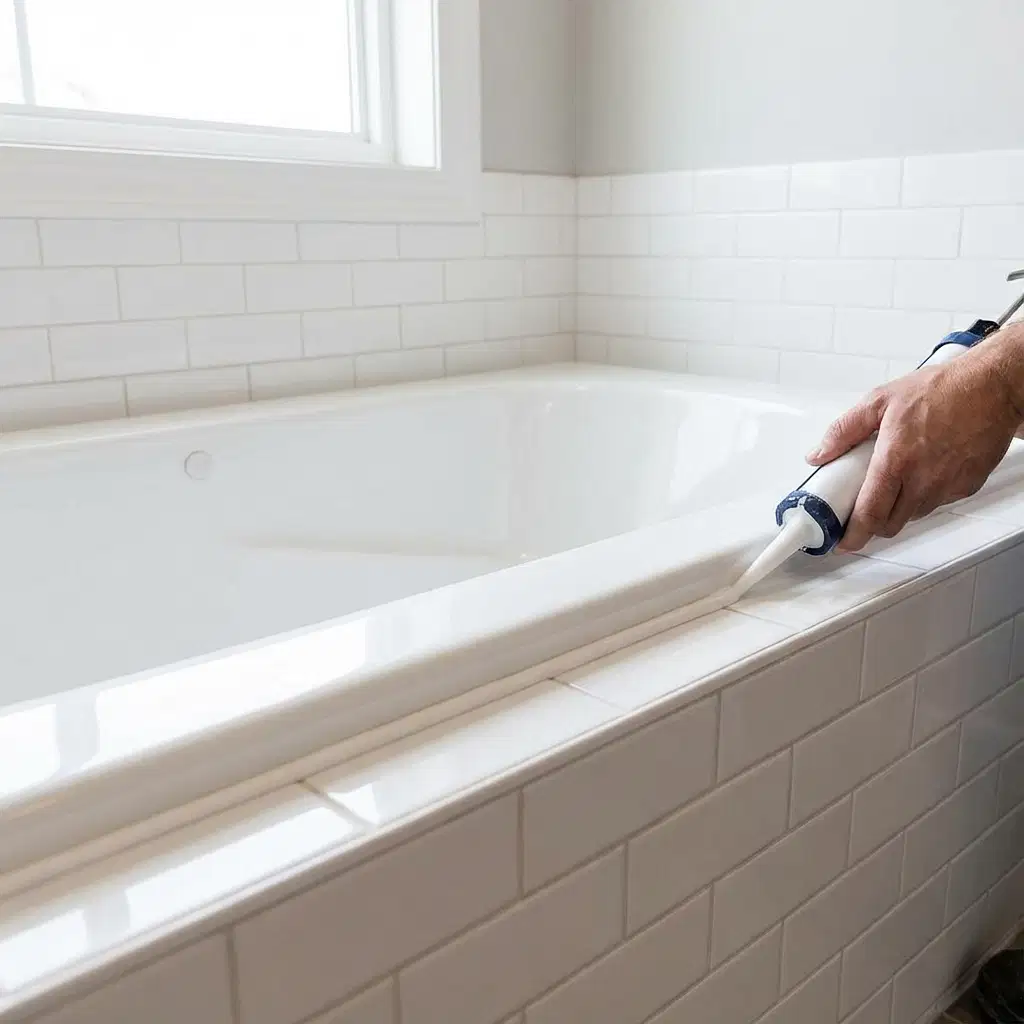
Learning how to clean refinished bathtubs properly is straightforward once you have gathered your non-abrasive supplies. For regular maintenance, spray your gentle liquid cleaner directly onto the tub or tile. Let it sit for three to five minutes so the formula can gently loosen soap scum and water spots without the need for aggressive scrubbing.
Next, take a soft microfiber cloth or a specialized non-abrasive sponge and wipe down the surfaces in smooth, circular motions. Rinse the entire area thoroughly with warm water from a handheld showerhead or a clean cup. Finally—and this is a step many people skip—take a dry microfiber towel and gently buff the tub and tile dry. This prevents hard water stains from forming and keeps the finish looking incredibly shiny.
This same gentle technique works perfectly for extending the life of reglazed tile around your shower enclosure. Consistency is key; wiping down the walls and tub once a week prevents heavy buildup that might tempt you to use harsher chemicals later on. If managing this routine feels overwhelming amid a busy schedule, utilizing professional house cleaning services can ensure your newly refreshed fixtures are treated with the exact care and specialized products they require.
Daily Habits to Prevent Damage
Beyond your weekly cleaning routine, a few simple daily habits will go a long way in protecting your refinished surfaces.
First, never use bath mats with suction cups on a refinished tub. The suction can trap water underneath, and when the mat is pulled up, it can easily peel the coating right off the tub floor. If you need a slip-resistant surface, ask your refinishing contractor to apply a permanent slip-resistant texture during the glazing process.
Additionally, be mindful of what you place on the edges of the tub. Leaving wet bottles of shampoo, shaving cream cans (which can leave rust rings), or heavy bar soaps directly on the coated surface can trap moisture and cause the finish to bubble or discolor. Instead, use a hanging shower caddy or built-in shelving to store your toiletries. Finally, ensure your bathroom is well-ventilated. Running an exhaust fan during and after your shower reduces humidity, helping the bathroom dry out faster and preventing mildew growth.
Signs a Bathtub Needs Professional Refinishing
Sometimes, despite your best efforts at cleaning, an older tub is simply past the point of basic maintenance. So, what are the signs a bathtub needs professional refinishing?
Look for deep, unremovable stains that make the tub look constantly dirty, pervasive chipping or peeling that exposes the cast iron or original color underneath, or a dull, porous finish that feels chalky to the touch. You might also notice rust spots forming around the drain or overflow valve. If your tub exhibits these issues, aggressive scrubbing will only make the damage worse. It is time to call in the experts to evaluate whether a fresh coating can restore the fixture's structural integrity and aesthetic appeal.
Partner with JHJ Home Solutions LLC
Preserving the beauty and functionality of your bathroom doesn't have to be a stressful chore. Proper maintenance ensures that your home refresh lasts for years to come. If you are noticing significant wear and tear on your existing fixtures, or if you want expert guidance on upgrading your space, our team at JHJ Home Solutions LLC is ready to assist.
From detailed tub restoration to full bathroom remodels, we pride ourselves on delivering transparent pricing, top-tier craftsmanship, and reliable results for our Metro Atlanta clients. Contact us today to discuss your next home improvement project and learn how we can help you create a space you truly love.